In a digital age where every scroll and click counts, branding has taken on a new dimension. It’s no longer just about catchy slogans and flashy logos. Today, successful branding hinges on meeting the individual demands of customers in a landscape saturated with choices. Let’s delve into the intricacies of personalization in branding, exploring how businesses can adapt and thrive in this modern dynamic environment.
Understanding the Shift Towards Personalization
Gone are the days of one-size-fits-all marketing strategies. With advancements in technology and data analytics, consumers now expect personalized experiences tailored to their preferences and behaviors. Whether it’s curated product recommendations or targeted advertisements, personalization has become a cornerstone of modern branding efforts.
Take the example of Netflix, the streaming giant that revolutionized the entertainment industry with its personalized recommendation algorithm. By analyzing viewing habits and user feedback, Netflix delivers content suggestions that resonate with individual viewers, fostering a deeper connection and loyalty to the brand.
Embracing Data-Driven Insights
At the heart of successful personalization in branding lies data-driven insights. By harnessing the power of data analytics, businesses can gain valuable insights into customer behavior, preferences, and purchase patterns. These insights enable brands to anticipate customer needs, personalize marketing messages, and deliver relevant experiences across various touchpoints.
Amazon, the e-commerce juggernaut, exemplifies the effective use of data-driven personalization. Through sophisticated algorithms, Amazon analyzes past purchases, browsing history, and demographic information to recommend products tailored to each customer’s unique preferences. This personalized approach not only enhances the shopping experience but also drives sales and customer satisfaction.
Balancing Personalization in Branding with Privacy
While personalization offers numerous benefits, it also raises concerns about privacy and data security. In an era marked by growing awareness of online privacy issues, brands must strike a delicate balance between personalization and respecting customer privacy.
Apple, known for its strong stance on user privacy, has implemented features such as App Tracking Transparency to give users more control over their data. By prioritizing user privacy, Apple enhances trust and loyalty among its customer base, reinforcing its brand image as a guardian of consumer rights.
Creating Authentic Connections
In the age of personalization, authenticity is paramount. Customers crave genuine connections with brands that align with their values and beliefs. To foster authenticity, brands must communicate transparently, engage in meaningful conversations, and demonstrate a commitment to social responsibility.
Patagonia, the outdoor apparel company, exemplifies authenticity through its commitment to environmental sustainability and ethical business practices. By championing causes such as environmental conservation and fair labor standards, Patagonia not only attracts environmentally conscious consumers but also earns their trust and loyalty.
Adapting to Changing Consumer Preferences
Consumer preferences are constantly evolving, driven by shifting societal trends, technological advancements, and cultural influences. Brands that fail to adapt risk becoming obsolete in a rapidly changing marketplace. To stay relevant, brands must continuously monitor consumer trends, listen to customer feedback, and innovate accordingly.
Nike, a global leader in athletic footwear and apparel, excels at adapting to changing consumer preferences. Through collaborations with athletes, designers, and cultural influencers, Nike stays ahead of the curve, capturing the zeitgeist and appealing to diverse audiences worldwide.
The Power of Emotional Branding
In the age of personalization, emotional branding is a powerful tool for building lasting connections with customers. By tapping into emotions such as joy, nostalgia, or empowerment, brands can create memorable experiences that resonate on a deeper level.
Coca-Cola, with its iconic advertising campaigns centered around themes of happiness and togetherness, exemplifies the power of emotional branding. Through heartwarming storytelling and universal appeal, Coca-Cola transcends cultural and linguistic barriers, forging emotional connections with consumers around the globe.
Looking Ahead: The Future of Branding
As technology continues to evolve and consumer expectations evolve, the future of branding holds limitless possibilities. From immersive virtual experiences to hyper-personalized products and services, brands must remain agile and adaptive in navigating the ever-changing landscape of consumer preferences.
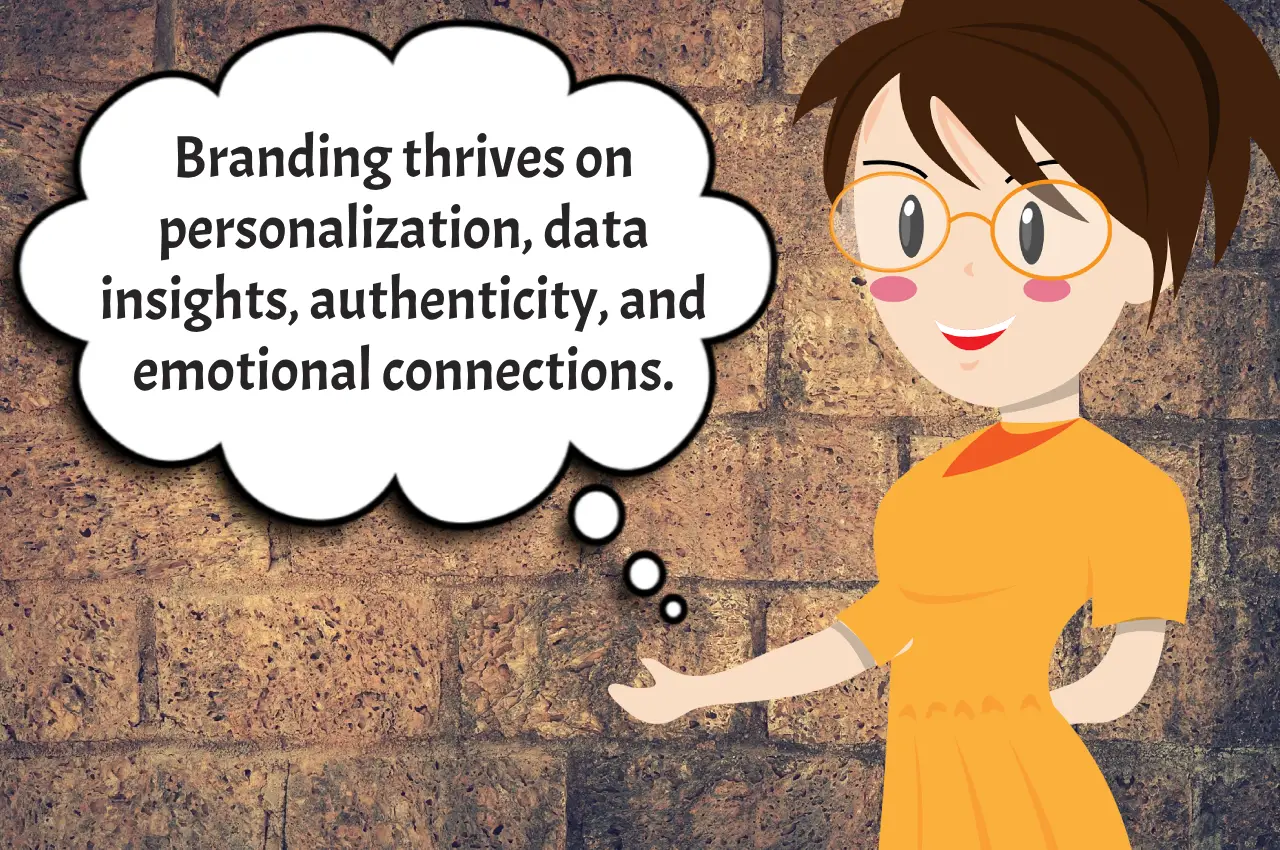
In conclusion, personalization in branding requires a delicate balance of data-driven insights, authenticity, and emotional resonance. By understanding and meeting the individual demands of customers, brands can forge meaningful connections, drive loyalty, and thrive in an increasingly competitive marketplace.
What are your thoughts on branding in the age of personalization? Share your insights and experiences in the comments below!